Top Benefits of Ductless Mini Splits for Phoenix Homeowners
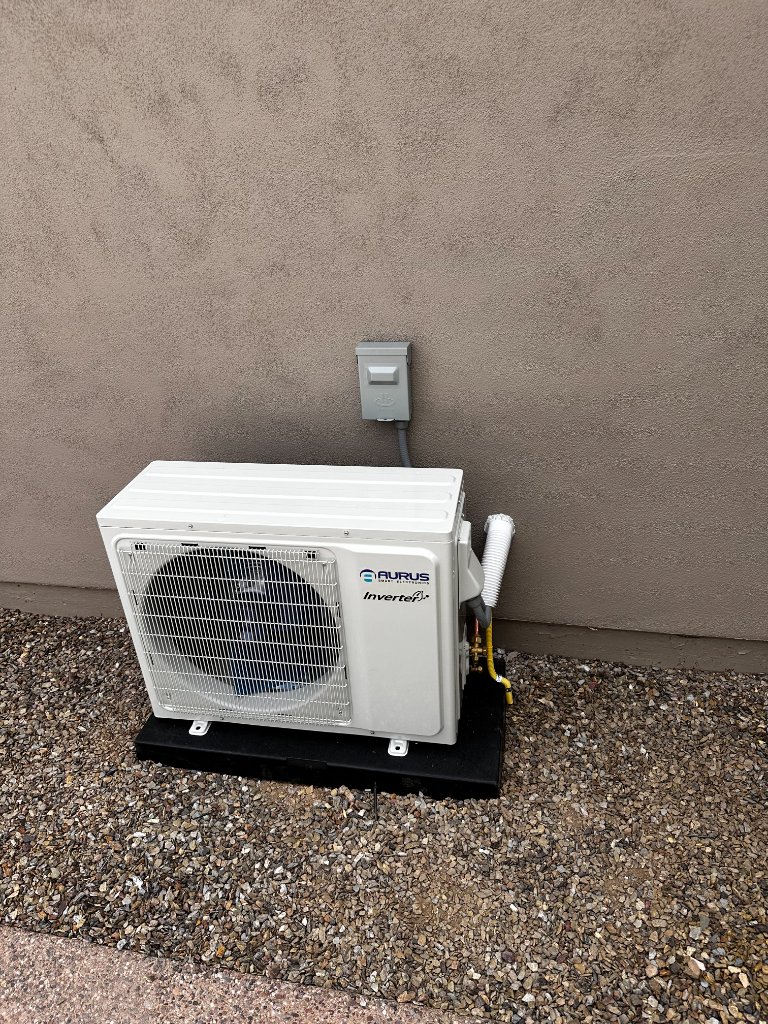
Ductless mini-split systems have emerged as a popular choice for homeowners in Phoenix, offering a range of benefits that cater to the unique climate of the region. These systems provide efficient heating and cooling solutions without the need for extensive ductwork, making them ideal for both new constructions and retrofitting older homes. In this article, we will explore the top benefits of ductless mini-splits, including energy savings, zoned temperature control, and quiet operation.
Homeowners often face challenges with traditional HVAC systems, such as high energy costs and uneven temperature distribution. Ductless mini-splits present a solution that not only enhances comfort but also reduces utility bills. We will delve into the key energy efficiency benefits, the installation process, maintenance services, and how these systems compare to central air systems.
What Are the Key Energy Efficiency Benefits of Ductless Mini Splits in Phoenix?
Ductless mini-splits offer several key energy efficiency benefits that are particularly advantageous for Phoenix homeowners. These systems provide zoned temperature control, allowing for customized climate settings in different areas of the home. This targeted approach leads to significant energy savings, as homeowners can heat or cool only the spaces they are using.
Additionally, ductless systems do not require extensive ductwork, which can often lead to energy loss. Their quiet operation enhances comfort without the disruptive noise commonly associated with traditional HVAC systems. Many models also feature smart controls, enabling remote adjustments that optimize energy use.
Benefits of Ductless Mini-Split HVAC Systems
"The ductless mini split heat pump system consists of an outdoor unit that provides hot or cold refrigerant to one or more indoor units. These systems offer several advantages over conventional systems including improved thermal comfort, performance, and energy saving."
- A review of ductless mini split HVAC system, N Fumo, 2022
How Do Mini Splits Reduce Utility Costs in Arizona's Climate?
Mini-split systems reduce utility costs in Arizona's climate by providing zoned temperature control, allowing homeowners to customize the climate in different areas of their homes. This targeted heating and cooling can lead to significant energy savings. Additionally, mini-splits do not require extensive ductwork, which enhances their efficiency and makes them easier to install, further contributing to lower energy costs.
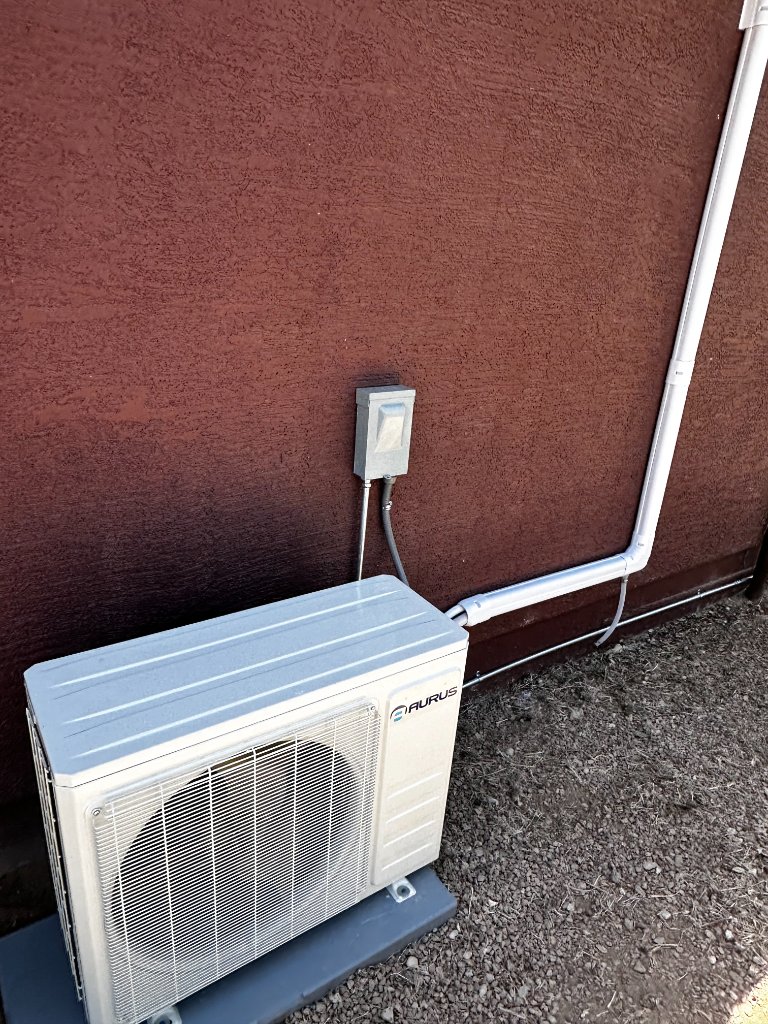
Why Are Ductless Systems More Efficient Than Traditional HVAC?
Ductless systems, like mini-split systems, are more efficient than traditional HVAC systems because they provide zoned temperature control, allowing customization of climate in different areas of a home. This can lead to significant energy savings and increased comfort. Additionally, they do not require extensive ductwork, which contributes to their efficiency and makes them easier to install. The absence of ducts minimizes energy loss, making ductless systems a more effective choice for homeowners looking to reduce their energy consumption.
40% Energy Savings with Ductless Mini-Splits
"In the residential retrofit application, ductless mini-split heat pumps (DHP) are often reported to hold high-energy savings potential, depending on the system they are supplementing or replacing. A maximum of 40% energy savings was realized by using the ductless mini-split as the primary heat source with the central air conditioning unit as the secondary source."
- Maximizing the Use of Ductless Mini-Splits in Homes, JT Kolln, 2020
How Does the Mini Split Installation Process Work for Phoenix Homes?
The installation process for ductless mini-splits is straightforward and typically involves several key steps. First, a qualified technician assesses the home to determine the best locations for the indoor and outdoor units. Next, the technician installs the indoor units on walls or ceilings, connecting them to the outdoor unit via refrigerant lines. This process usually takes several hours, depending on the complexity of the installation and the number of indoor units. The final step involves testing the system to ensure it operates efficiently and effectively.
What Is the Typical Installation Timeline and Steps?
Assessment
A technician evaluates the home to determine optimal unit placement.
Installation
Indoor units are mounted, and refrigerant lines are connected to the outdoor unit.
Testing
The system is tested to ensure proper operation and efficiency.
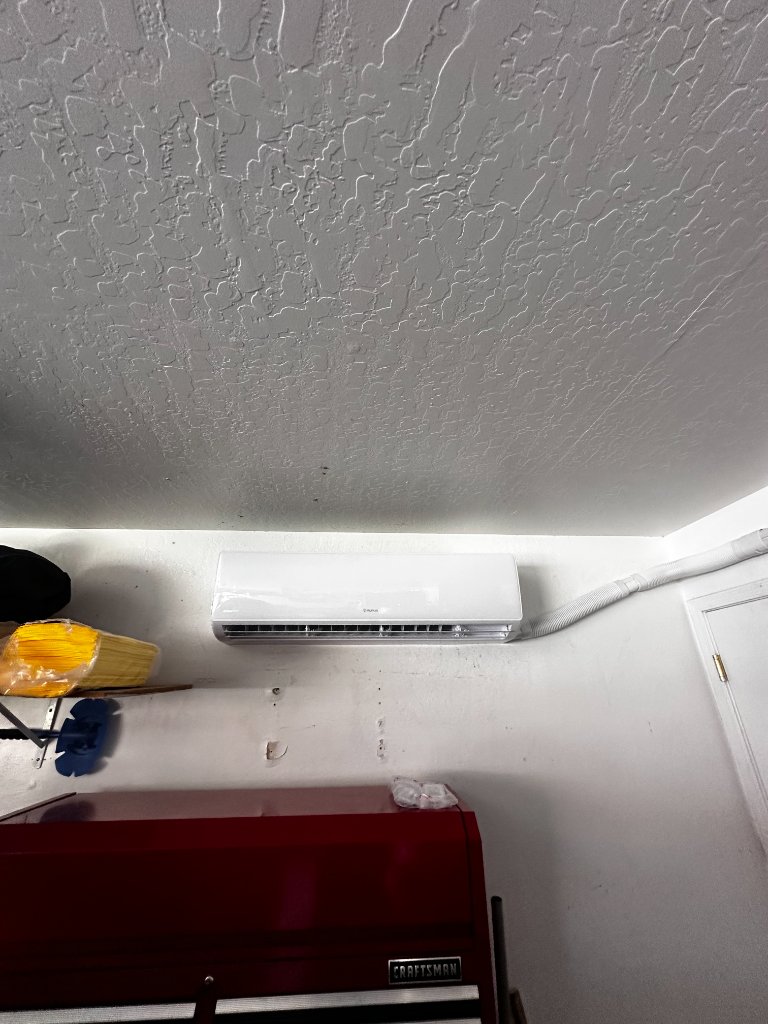
What Maintenance Services Ensure Long-Term Mini Split Performance?
To ensure long-term performance of mini-split systems, regular maintenance is crucial. This includes routine checks of filters, coils, and drain lines to prevent breakdowns and maintain energy efficiency. Scheduling professional maintenance at least once a year can help identify potential issues early. Cleaning components, checking refrigerant levels, and inspecting electrical connections during maintenance are essential practices that enhance efficiency and extend the system's lifespan, helping to avoid costly repairs or replacements in the future.
Which Regular Maintenance Practices Optimize System Efficiency?
Routine Checks
Inspecting filters, coils, and drain lines to prevent breakdowns and maintain energy efficiency.
Professional Maintenance
Scheduling maintenance at least once a year to identify potential issues early.
Cleaning Components
Regularly cleaning components, checking refrigerant levels, and inspecting electrical connections.
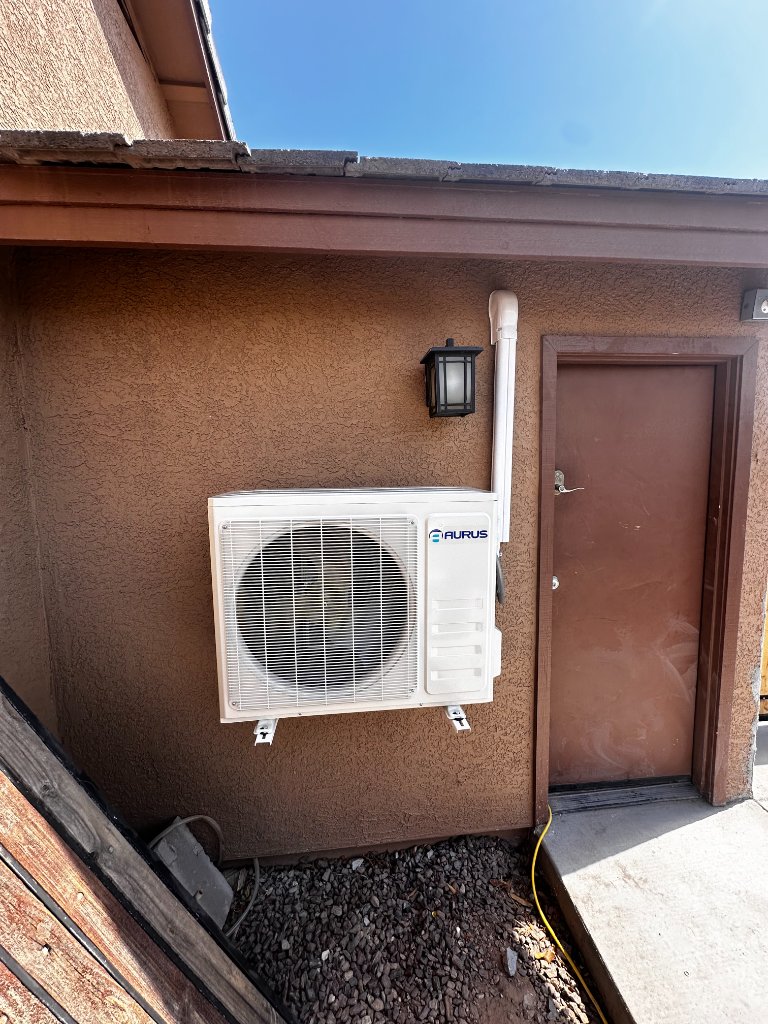
How Do Ductless Mini Splits Compare to Central Air Systems?
Ductless mini-split systems offer several advantages over central air systems for Phoenix homeowners. They provide zoned temperature control, allowing customization of climate in different areas, which can lead to energy savings and increased comfort. Mini-splits are also known for their quiet operation and easier installation, as they do not require extensive ductwork, making them suitable for both new constructions and retrofitting older homes.
What Are the Advantages of Mini Splits Over Central HVAC?
Zoned Temperature Control
Customize climate in different areas of the home for enhanced comfort and energy savings.
Quiet Operation
Operate more quietly compared to traditional HVAC systems.
Easier Installation
No extensive ductwork required, suitable for new constructions and retrofits.
Smart Controls
Advanced technology allows remote adjustment for added convenience.
Local Incentives and Rebates for Phoenix Homeowners
Homeowners in Phoenix can take advantage of various local incentives and rebates for mini-split installation. These programs are designed to encourage energy-efficient upgrades and can significantly reduce the overall cost of installation. Understanding the available options can help homeowners maximize their savings while improving their home's energy efficiency.
Several Arizona energy programs support ductless HVAC upgrades, providing financial incentives for homeowners who choose to install energy-efficient systems. Homeowners should check with local utility providers such as Arizona Public Service (APS) and Salt River Project (SRP) for specific details on available programs and eligibility requirements.
Mini-Split Incentives for Home Energy Savings
Home Energy Rebate Program provides incentives for larger projects achieving at least 20% home energy savings; incentives for mini-split air conditioners and heat pumps are typically available through these programs.
Ready to Experience the Benefits of Mini Splits?
Contact Core Comfort HVAC today for a free consultation and learn how we can transform your home comfort.