Mini-Split Maintenance in Phoenix
Our HVAC maintenance plans help Phoenix homeowners keep system care on the calendar. We discuss the needs of your equipment and the visits covered by your plan, so you have a clearer routine for looking after the cooling your home relies on.
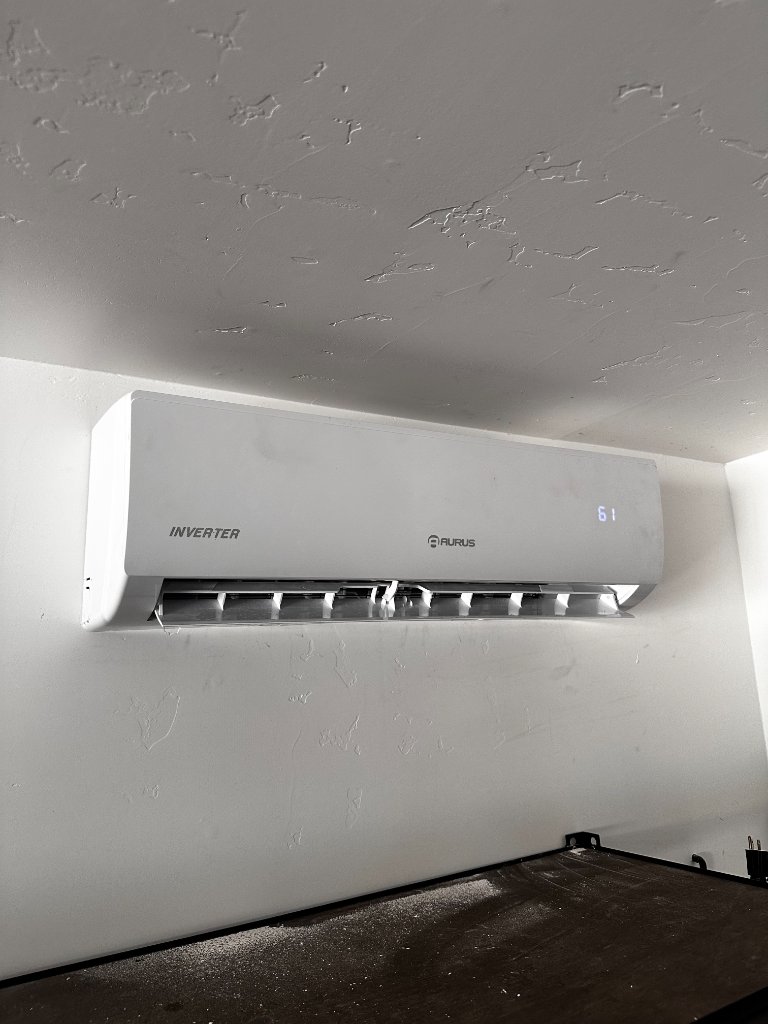
Plan service around your equipment
Tell us your system model, the rooms it serves and any changes in airflow, sound or comfort. We can discuss the appropriate service visit and explain which inspection and cleaning tasks are included in the proposed scope.
Before enrolling in a maintenance plan, ask about visit frequency, filter and coil care, drainage checks, operating checks and any exclusions. Repairs, replacement parts and additional cleaning may have a separate scope. Your written plan should explain the visits and charges that apply to your equipment.
A recurring water leak, unusual noise or loss of cooling may need diagnosis rather than a routine visit. Explore our mini-split repair service or call us to describe the issue.
Understanding your ductless system
The information below explains how ductless equipment works. For a new project, see our installation process.
1. What Are Ductless Mini-Splits?
A ductless mini-split is a form of zoned HVAC solution. Unlike central air systems that use extensive ductwork to distribute conditioned air throughout the entire home, mini-splits deliver heating or cooling directly from a compact indoor air handler connected to an outdoor condenser. Each indoor unit operates independently, giving you more precise control over the temperature in different rooms or zones.
Here's how they work:
Outdoor Condenser
Houses the compressor, fan, and other components that process refrigerant.
Indoor Air Handler
Mounted on a wall or ceiling, blows cool or warm air directly into the space.
Connecting Lines
A small conduit carries refrigerant, electrical wiring, and a drain line.
By bypassing ductwork altogether, mini-splits can help homeowners avoid energy losses that often occur through leaks or poor insulation in the ductwork. This savings alone can be significant—particularly in a region like Phoenix where HVAC systems run for much of the year.
2. Reduced Energy Losses in a Desert Climate
In traditional central HVAC systems, air is cooled or heated in a central unit and then pushed through ducts to reach each room. Over time, ductwork is prone to developing leaks and cracks. Hot attic spaces, common in Arizona homes, can exacerbate the problem: as cool air travels through ducts passing through a super-heated attic, it warms up before reaching your living spaces.
This "leakage" or "heat gain" can force your air conditioner to work longer and harder, inflating your energy bills.
The Mini-Split Advantage:
Ductless mini-splits sidestep this issue by removing ducts from the equation entirely. Conditioned air moves directly from the indoor handler into the living area, ensuring minimal temperature loss. The difference in efficiency can be especially significant in scorching temperatures above 110°F, when every degree of cooling counts.
3. Zoned Comfort Means Zoned Energy Savings
Arizona homes often have rooms that receive more direct sunlight or are situated on the western side of the house—meaning they heat up dramatically in the late afternoon. With a traditional single-thermostat system, you might run the entire air conditioner at a lower temperature just to cool down those hot rooms. This can waste energy in areas of the house that are already at a comfortable temperature.
Ductless mini-split systems allow for zoned control. You can install multiple indoor units throughout the house—one in the master bedroom, another in the living room, perhaps one in an office or garage conversion. Each unit can be operated independently, letting you cool or heat only the spaces that need it.
Result:
By tailoring your HVAC usage room by room, you'll reduce unnecessary energy consumption and see tangible savings on monthly utility bills.
4. Inverter Technology for Efficient Operation
Many mini-split models use inverter technology, which enables the compressor to run at variable speeds rather than repeatedly cycling on and off. Traditional HVAC units often operate at a single high speed, turn off once they reach the set temperature, and then cycle back on when the temperature rises again. This constant starting and stopping requires significant energy and can lead to temperature swings.
In contrast, inverter-driven mini-splits can modulate their output based on real-time needs. During peak heat, the system ramps up to cool rooms quickly. Once temperatures stabilize, the compressor slows down, keeping the environment comfortable with minimal energy usage.
Traditional Systems
On/Off cycling, temperature swings, high energy use
Mini-Split Inverter
Steady temperatures, reduced cycling, lower energy consumption
5. Lower Utility Bills for Phoenix Homeowners
Because mini-splits allow you to efficiently cool or heat targeted areas without losing energy through duct leaks—and because they often use inverter-driven technology—many homeowners see a noticeable drop in their monthly energy bills. In Phoenix, where air conditioning can account for a sizeable portion of your utility expenses, this reduction can be particularly meaningful.
Average energy bill reduction reported by homeowners who switch to mini-splits
*Exact savings vary depending on factors like home size, insulation, and temperature settings
Over time, the difference in your monthly costs can offset much of the initial investment in a mini-split system.
6. Rebates and Incentives in the Phoenix Metro Area
Various local utility companies and agencies recognize the energy-efficient benefits of mini-splits. At times, they may offer rebates or incentives for upgrading to more efficient HVAC solutions.
Check with these providers:
SRP (Salt River Project)
APS (Arizona Public Service)
Local Government Initiatives
Before deciding on a system, it's wise to consult your local energy provider to see if rebates or promotional programs are available. These incentives can further reduce the total cost of installing ductless mini-splits, making your switch to energy efficiency even more affordable.
7. Improved Indoor Air Quality
Dust storms, or "haboobs," and high pollen counts are common issues in the Phoenix area. Ductwork in traditional HVAC systems can accumulate dust, debris, and even mold over time, then distribute those allergens every time the system runs. While routine duct cleaning can help, it's an ongoing hassle.
In contrast, each indoor handler in a mini-split system comes with its own built-in filtration. Filters are easily accessible and can be cleaned or replaced on a regular basis to maintain optimal air quality.
Benefits:
- Beneficial for individuals with allergies or respiratory conditions
- Keeps indoor environments healthier during hot months
- Easy filter maintenance compared to duct cleaning
8. Installation Flexibility and Efficiency
The compact design and minimal infrastructure needed for mini-splits makes them easier to install than traditional ducted systems. A small hole—typically about three inches in diameter—connects the indoor and outdoor units. This streamlined setup reduces the need for large-scale renovations, which can be especially beneficial in older homes without existing ductwork or for those converting garages or sheds into air-conditioned living spaces.
Beyond the simpler installation, mini-splits can also be fitted with different indoor unit styles—like wall-mounted, ceiling cassette, or floor-standing—to accommodate the design and layout of a room. This flexibility is perfect if you have a contemporary Scottsdale condo or a historic home in Central Phoenix where preserving architectural features is a priority.
9. Maintenance Tips for Maximizing Efficiency
While ductless mini-splits are generally low-maintenance, Phoenix's desert conditions mean there are a few extra steps you can take to ensure maximum efficiency:
Clean or Replace Filters Frequently
Given the region's dust and pollen, filters can get dirty faster. Keep them clean to maintain strong airflow.
Clear Debris Around Outdoor Unit
Ensure the condenser is free from leaves, dirt, or other obstructions that accumulate quickly.
Schedule Annual Tune-Ups
A professional can inspect refrigerant levels, check for leaks, and clean coils for peak performance.
Adjust Temperatures Thoughtfully
Use smart thermostat features to avoid unnecessary cooling in empty rooms.
By following these recommendations, your mini-split system will remain in top shape and consistently deliver energy savings and comfort—even through the hottest summer months.
10. The Bottom Line: Energy Efficiency with Comfort
In the Phoenix metro area, staying cool is essential—but skyrocketing energy bills don't have to be. Ductless mini-split systems offer a powerful blend of efficiency, adaptability, and savings that align well with the climate challenges faced by Arizonans. From reduced duct loss to zoned temperature control and inverter technology, these systems can trim energy use while keeping your home comfortable around the clock.
Whether you're replacing an aging HVAC setup, adding AC to a remodeled space, or simply looking to cut monthly utility costs, mini-splits are a solution worth serious consideration. For best results, consult with a reputable local HVAC contractor who has experience installing and servicing ductless systems in Phoenix's unique desert environment.
By investing in a ductless mini-split, you're not just improving your home's temperature control—you're taking a meaningful step toward managing energy expenses, creating a healthier indoor environment, and staying ahead of Arizona's extreme heat. With the right system and proper installation, you can look forward to lasting comfort and peace of mind, even when the mercury starts climbing well above 100°F.