A Guide to Mini-Split Installation in Phoenix
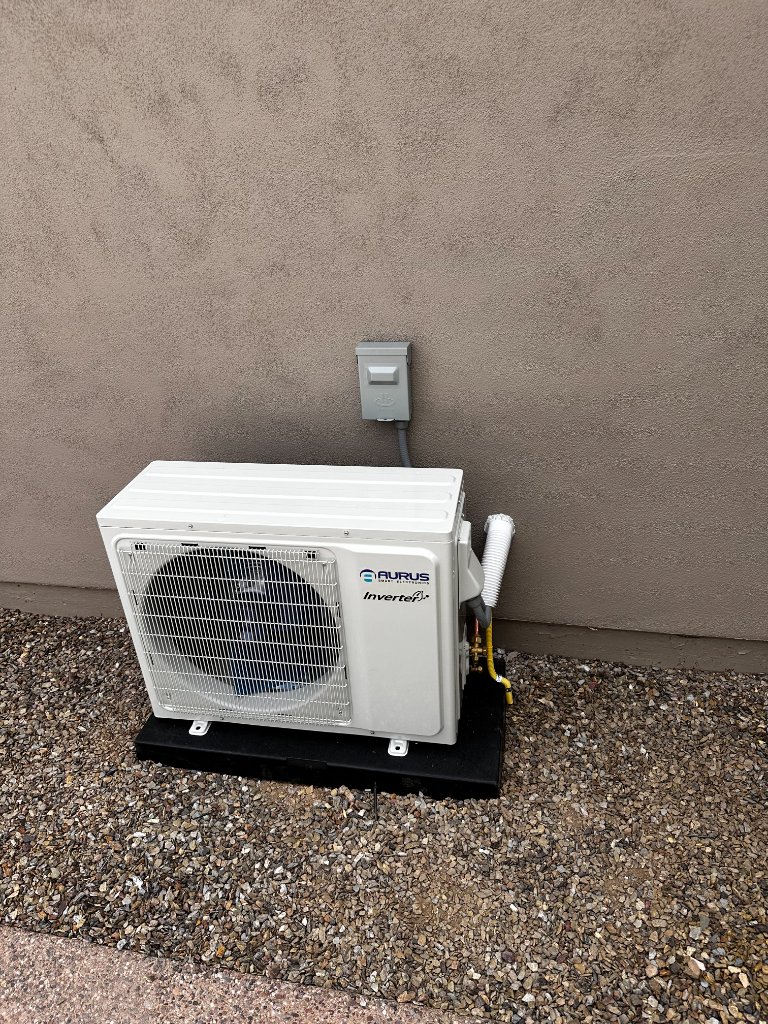
Mini split systems have become a popular choice for homeowners in Phoenix, AZ, due to their efficiency and flexibility in providing heating and cooling. This comprehensive guide will explore the ins and outs of mini split installation, including the benefits of ductless air conditioning, the installation process, costs, and maintenance tips.
By understanding these aspects, you can make informed decisions about your HVAC needs and enjoy a comfortable living environment year-round. We will also touch on local regulations and the best brands available in Arizona, ensuring you have all the information needed for a successful installation.
What Is a Mini Split System and Why Choose Ductless AC in Phoenix?
A mini-split system is a versatile and efficient solution for heating and cooling homes, providing zoned temperature control for customized climate settings in different areas. They are known for their quiet operation and relatively easy installation, as they do not require extensive ductwork.
Choosing ductless air conditioner installation in Phoenix can lead to significant energy savings and increased comfort for residents, along with the convenience of easier installation and maintenance compared to traditional ducted systems.
How Does a Mini Split System Provide Energy Efficient Cooling in Arizona's Climate?
A mini-split system provides energy-efficient cooling in Arizona's climate by offering zoned temperature control, which allows customization of the climate in different areas of a home. This feature can lead to significant energy savings and increased comfort.
Additionally, mini-split systems do not require extensive ductwork, making them suitable for both new constructions and retrofitting older homes. Many models also include smart controls for remote adjustments, further enhancing efficiency. Regular maintenance is crucial to maintain optimal performance and energy efficiency.
Zoned Temperature Control
Allows customization of climate in different areas of the home, leading to increased comfort and energy savings.
Quiet Operation
Mini-split systems are known for their quiet performance, perfect for residential settings.
Easier Installation
No extensive ductwork required, suitable for new constructions and retrofitting older homes.
Smart Controls
Advanced technology allows users to adjust settings remotely for added convenience.
Step-by-Step Mini Split Installation Process
Installing a mini-split system involves several key steps that ensure proper setup and optimal performance. It is essential to hire licensed HVAC professionals for this task to guarantee compliance with local regulations and safety standards.
What Are the Key Steps Licensed HVAC Installers Follow?
Site Assessment
Evaluating the home layout and determining the best locations for indoor and outdoor units.
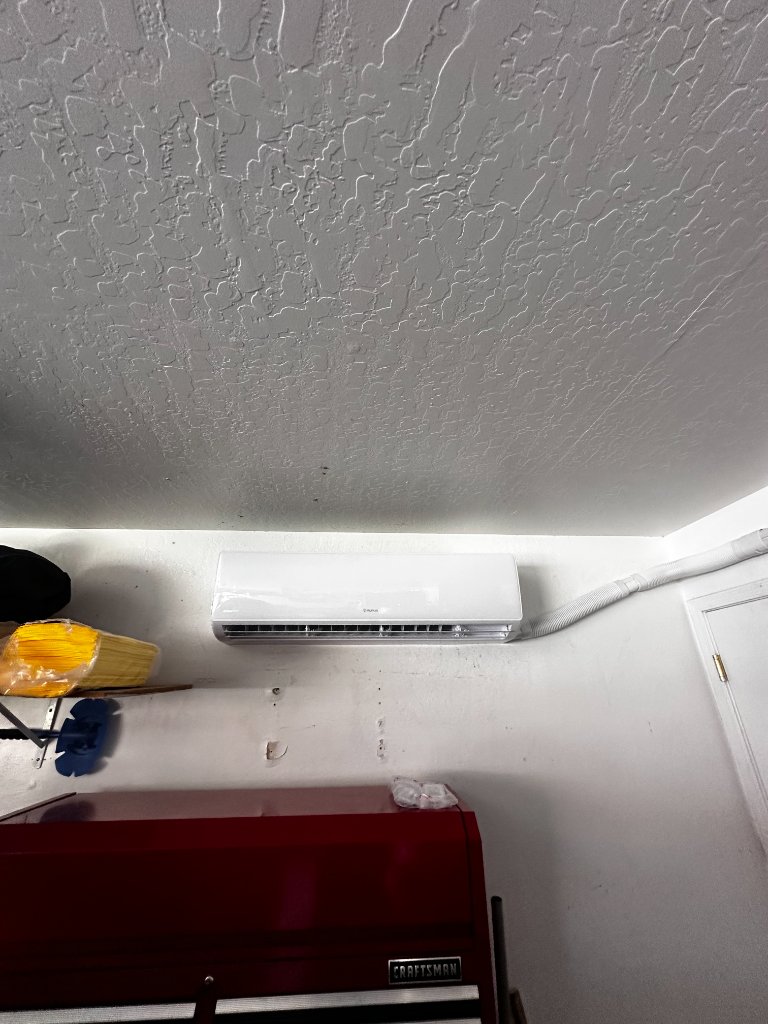
Mounting the Indoor Unit
Installing the indoor unit on a wall or ceiling, ensuring it is level and secure.
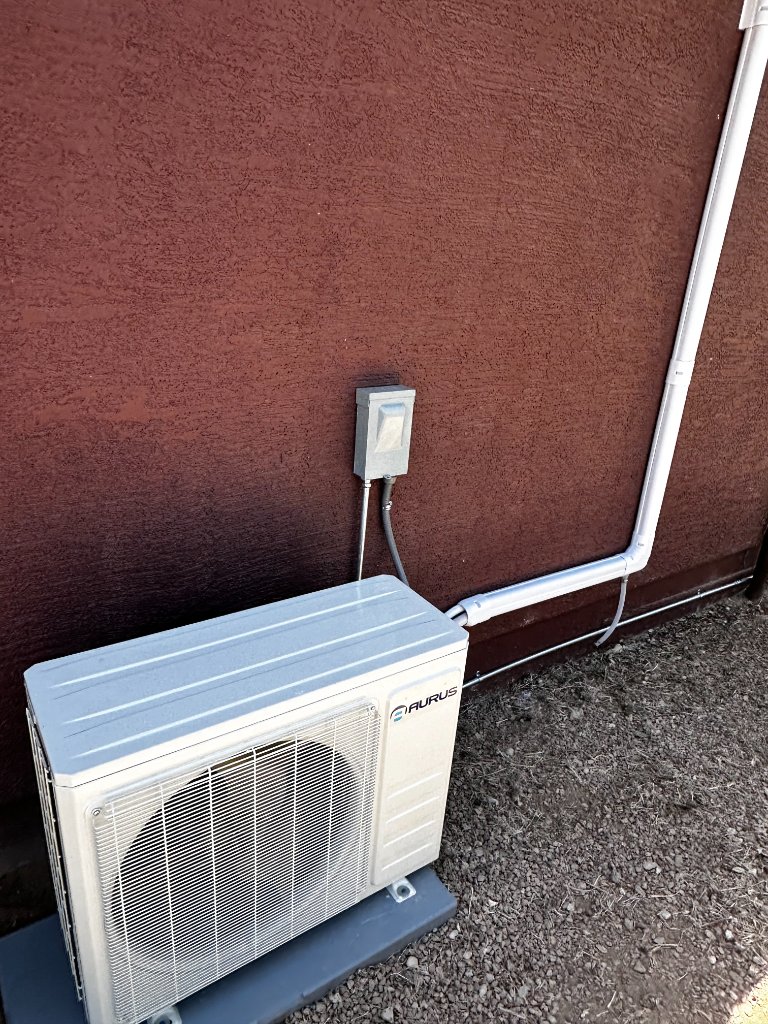
Installing the Outdoor Unit
Placing the outdoor unit on a stable surface, ensuring proper airflow and accessibility for maintenance.
Connecting Refrigerant Lines
Running refrigerant lines between the indoor and outdoor units, ensuring proper insulation and sealing.
Electrical Connections
Connecting the system to the electrical supply and ensuring all connections are secure and compliant with local codes.
Testing the System
Conducting a thorough test of the system to ensure it operates correctly and efficiently.
Essential Tools and Equipment for Proper Installation
Refrigerant Gauges
Used to check the pressure of the refrigerant lines.
Drill and Fasteners
For mounting the indoor and outdoor units securely.
Level
Ensures that the indoor unit is installed correctly.
Electrical Tester
Verifies that electrical connections are safe and functional.
Mini Split System Cost in Phoenix: Pricing Guide
Understanding the costs associated with mini split systems is crucial for budgeting your installation project. Prices can vary based on brand, model, and service area.
How Do Installation Costs Vary by Brand and Model?
Installation costs for mini-split systems can vary significantly based on several factors:
Brand Selection
Different brands offer various features and efficiencies, impacting the overall cost.
Model Efficiency
Higher efficiency models may have a higher upfront cost but lead to savings on energy bills.
Service Area
Installation costs may vary based on local labor rates and complexity of the installation.
Approximate Installation Costs by Brand
| Brand | Model Series | Price Range (Installed) |
|---|---|---|
| Mitsubishi Electric | MSZ-GL Series | $3,000 - $3,500 |
| Fujitsu | Halcyon Series | $2,800 - $3,300 |
| Daikin | 19 Series | $3,200 - $3,700 |
Financing Plans and Energy Efficiency Incentives in Arizona
Many HVAC companies offer financing options that allow homeowners to pay for their systems over time. Additionally, programs may be available through local utilities or state initiatives that provide rebates for energy-efficient installations.
Arizona Heat Pump Incentives
Salt River Project (SRP) and Arizona Public Service (APS) offer rebates for qualifying energy-efficient HVAC equipment. In 2016-2017, SRP provided incentives for over 10,000 heat pump installations.
- Benefits of Heat Pumps for Homes in the Southwest, 2018
Best Mini Split Brands for Phoenix Homes
When selecting a mini-split system, it's essential to consider the brand's reputation for reliability and efficiency. Some of the top brands available in Arizona include Mitsubishi Electric, Fujitsu, and Daikin.
Mitsubishi Electric vs Fujitsu: Performance Comparison
Mitsubishi Electric
- High SEER ratings, often exceeding 20
- Known for exceptionally quiet operation
- Advanced smart controls with remote management
- Premium pricing with superior reliability
Fujitsu
- Excellent energy efficiency with high SEER
- Competitive pricing with great value
- Smart technology and remote controls
- Strong reputation for durability
Understanding SEER Ratings
Air conditioners have increased in efficiency from SEER 10 to now over 22 with variable speed technology. However, real-world performance can sometimes differ from advertised ratings, so professional installation and maintenance are crucial for optimal efficiency.
- Advances in energy efficiency of residential appliances, JA Mathias, 2023
Maintenance and Repair for Long-Term Efficiency
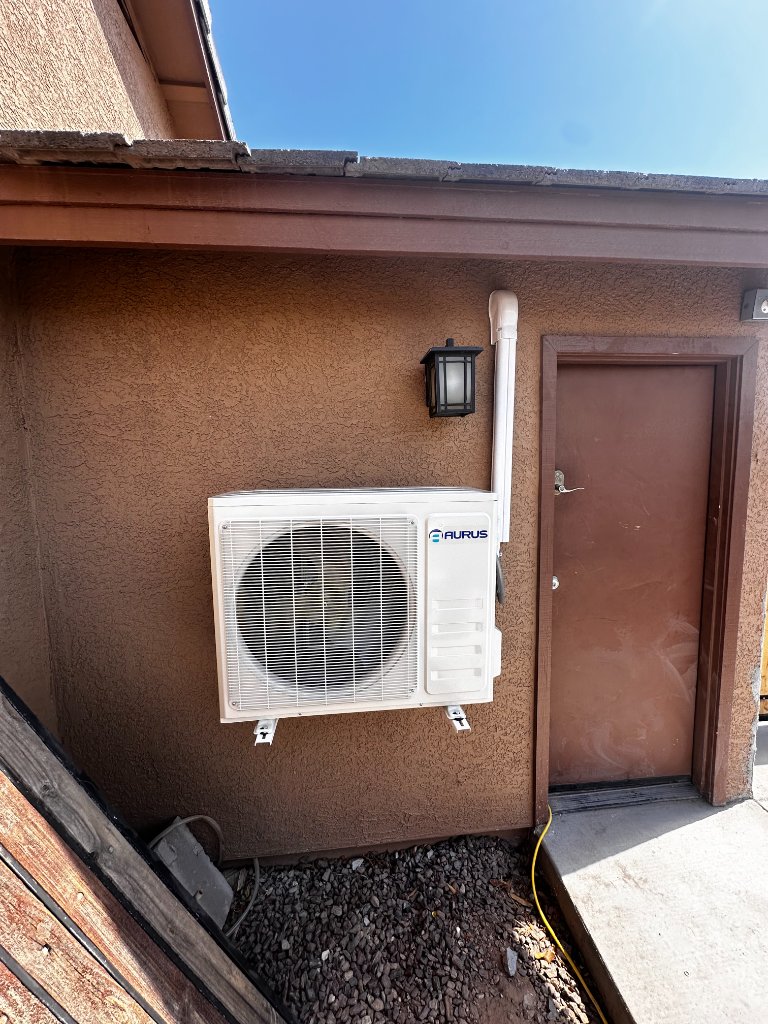
To maintain and repair your mini-split system for long-term efficiency in Phoenix, regular maintenance is essential. This proactive approach enhances efficiency and extends the system's lifespan.
Essential Maintenance Tips for Phoenix Homeowners
Regular Maintenance
Schedule professional maintenance at least once a year, including routine checks of filters, coils, and drain lines.
Component Cleaning
Ensure technicians clean components, check refrigerant levels, and inspect electrical connections during maintenance.
Emergency Services
Utilize 24/7 emergency services if issues arise, ensuring help is available whenever needed.
When to Schedule Professional Repair Services
You should schedule professional repair services with licensed technicians when you experience a sudden breakdown of your mini-split system, especially during extreme weather conditions, or if you encounter any unexpected malfunctions. Core Comfort HVAC offers 24/7 emergency services to address these urgent HVAC problems promptly.
Local Regulations and Permits in Phoenix AZ
Understanding local regulations and permits is crucial for a compliant mini-split installation in Phoenix.
Required Permits for Mini Split Installations
Building Permit
Required for any structural modifications or installations.
Electrical Permit
Necessary for any electrical work associated with the installation.
Mechanical Permit
Required for HVAC installations to ensure compliance with local codes.
How Local Codes Ensure Safe Installations
Establishing Safety Standards
Codes outline minimum safety requirements for installations, protecting homeowners and occupants.
Regular Inspections
Compliance with local codes often requires inspections, ensuring installations meet safety standards.
Promoting Energy Efficiency
Many local codes include energy efficiency requirements, encouraging use of high-efficiency systems.
Ready to Install Your Mini Split System?
Contact Core Comfort HVAC today for expert installation with licensed technicians and free consultation.