Common Mini-Split Myths, Debunked
Phoenix Metro Edition: Separating fact from fiction about ductless mini-split systems in Arizona's desert climate.
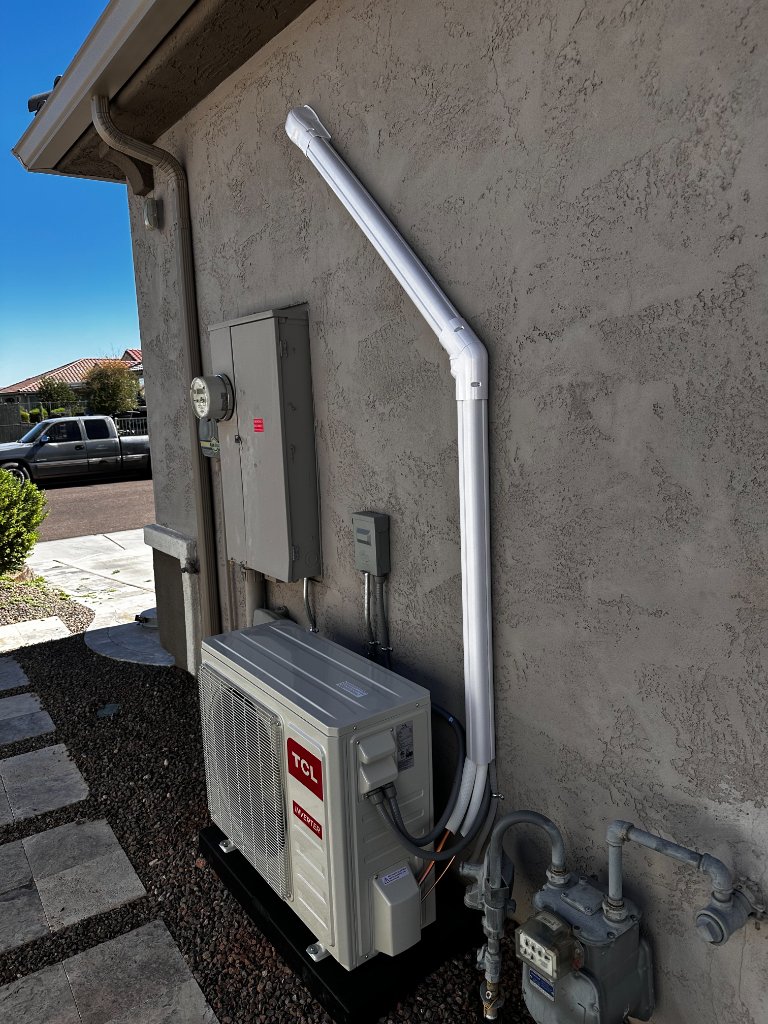
If you live in Phoenix, Scottsdale, Mesa, or Chandler, you already know how vital a reliable cooling system is in Arizona's desert climate. While ductless mini-split systems have been around for decades and are commonly used worldwide, they've only recently gained traction in the U.S.
Despite their growing popularity, many misconceptions still surround mini-splits. Below, we'll debunk common mini-split myths to help you decide if going ductless might be your best strategy for beating the desert heat.
Myth #1: Mini-Splits Only Work for Small Spaces
Reality:
Modern mini-split setups allow you to install multiple indoor units linked to a single outdoor condenser. Each indoor unit can be sized appropriately for the room it serves, making it possible to cover several rooms or an entire house.
Multi-Zone Options: You can design a zone-based mini-split system that efficiently cools each zone without wasting energy on rooms you rarely occupy.
Scalable for Bigger Homes: If your Phoenix-area residence has an open-concept living room, a master suite, and an upstairs space, mini-splits can handle it all.
Key Takeaway:
Mini-splits aren't just a 'quick fix' for small or unique spaces; they can be scaled up to handle almost any size home or business.
Myth #2: Ductless Systems Can't Handle Extreme Heat
Reality:
Many mini-split manufacturers design their systems to operate efficiently at extreme temperatures. Models designed for hot climates can maintain comfortable indoor temperatures even when outdoor conditions hit 110°F or more.
Engineered for High Temperatures: Systems are built specifically for scorching desert conditions.
Zoned Efficiency: Ductless systems deliver direct cooling to each room, ensuring far less energy is wasted than central systems with hot attic ductwork.
Advanced Inverter Technology: Variable-speed operation often outperforms traditional on/off systems in high-heat environments.
Key Takeaway:
Ductless systems can absolutely handle desert summers, often doing so more efficiently than older central air systems.
Myth #3: They Cost a Fortune and Are Complicated to Install
Reality:
One of the most significant cost advantages of going ductless is—obviously—no ducts. Installing or repairing ductwork can be labor-intensive and expensive, especially in older homes.
No Ductwork Needed: This eliminates a major cost factor in HVAC installation and repairs.
Straightforward Installation: A mini-split requires just a small hole in the wall. Most installations can be completed quickly.
Long-Term Savings: The energy savings and zoned control often lead to lower utility bills, offering positive ROI over time.
Key Takeaway:
Mini-splits typically pay for themselves through reduced energy bills and simpler maintenance—no duct cleaning required.
Myth #4: They're Not Visually Appealing
Reality:
While central HVAC systems hide their registers, mini-splits have evolved significantly in design. Manufacturers now offer sleek, modern options that blend well with interior décor.
Multiple Indoor Unit Styles: Choose from wall-mounted, ceiling cassettes, floor-mounted, or even hidden duct models.
Sleek, Modern Designs: Slimmer profiles, modern finishes, and customizable design options are standard.
Lack of Bulk Ductwork: You eliminate bulky ductwork in attics or crawl spaces—many homeowners find this trade-off more than fair.
Key Takeaway:
With the variety of mini-split styles available, you can typically find an indoor unit that blends well with your space.
Myth #5: Mini-Splits Don't Last as Long as Traditional Systems
Reality:
A well-maintained mini-split can last 15-20 years or longer, comparable to—and often outlasting—many traditional HVAC systems.
Longevity Matches or Exceeds: Properly maintained systems rival traditional HVAC lifespan.
Less Wear and Tear: Inverter-driven compressors avoid harsh stop/start cycles, reducing strain on components.
Maintenance is Key: Mini-split filters are easily accessible, making DIY maintenance more convenient and potentially extending lifespan.
Key Takeaway:
With proper upkeep, mini-splits can go the distance. Their simpler design often means fewer mechanical issues and repairs.
Myth #6: They Can't Handle Both Cooling and Heating Effectively
Reality:
Many mini-splits are essentially heat pumps, capable of both cooling and heating. They can reverse the flow of refrigerant to transfer heat inside instead of outside.
Heat Pump Technology: Built-in capability for year-round climate control.
Year-Round Comfort: Perfect for Phoenix's chilly desert evenings when temperatures dip into the 40s or 30s.
Zoned Heating: Heat only the rooms you need without wasting energy on unused spaces.
Key Takeaway:
Many modern mini-splits are dual-purpose systems providing reliable cooling and heating—a practical year-round solution.
Myth #7: Mini-Splits Aren't As Powerful as Central AC
Reality:
Mini-splits come in a range of BTU capacities, meaning they can be sized to match the exact cooling (or heating) load of each room or zone. Zoning often makes them more efficient than central systems.
Precisely Sized BTUs: Match exact cooling loads for optimal efficiency.
Better Air Distribution: Wall-mounted units can effectively distribute air throughout open-concept areas.
Customize for Bigger Rooms: Install higher-capacity units or multiple units for larger spaces.
Key Takeaway:
Mini-splits can handle anything from small bedrooms to spacious living rooms—often outperforming central HVAC in energy management.
Myth #8: Maintenance is Complex and Costly
Reality:
While each indoor unit does have an air filter, they're usually very easy to remove, clean, or replace. Most homeowners can do this task themselves in just a few minutes.
Simpler Than You Think: Easy-to-access filters that homeowners can maintain themselves.
No Ductwork Maintenance: Eliminates the need for duct cleaning and fixes air leaks.
Annual Professional Check-ups: Typically no more expensive than standard AC unit maintenance.
Key Takeaway:
Routine upkeep for ductless units is generally straightforward and cost-effective, especially without duct-related expenses.
Putting the Myths to Rest
With the desert climate demanding long hours of cooling—and occasional heating—ductless mini-split systems have proven to be a versatile, efficient, and durable solution in the Phoenix metro area. Here's a quick recap of the key points:
Size & Scale: Mini-splits can cool large or small spaces, depending on the number of indoor units and their BTU capacity.
Extreme Heat: Many models are designed to handle scorching temperatures while minimizing energy losses.
Installation & Cost: The absence of ducts and potential for energy savings make mini-splits a smart choice.
Appearance & Lifespan: Modern designs, multiple mounting options, and long-lasting components available.
Year-Round Performance: Heat pump functionality provides both cooling and heating with high efficiency.
Simple Maintenance: Cleaning filters is easy, and routine tune-ups keep everything running smoothly.
With these myths debunked, you can make a more informed decision about installing a mini-split system for your home or business. Whether you want to improve comfort in a single room or outfit your entire Phoenix-area home with zoned cooling and heating, going ductless may be just the cool (and energy-savvy) solution you've been seeking.