Beginner's Guide to Mini-Split Systems in the Phoenix Metro Area
Living in the Phoenix metro area means experiencing scorching temperatures that can easily soar above 100°F. Discover why mini-splits are the perfect cooling solution.
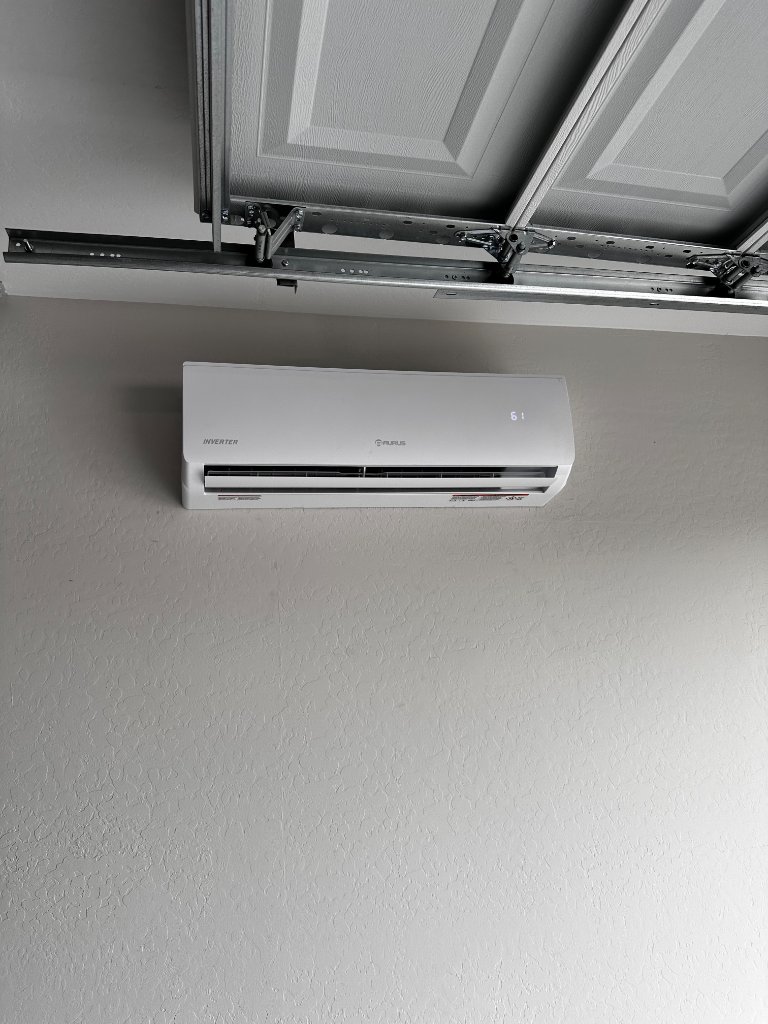
For homeowners and business owners in places like Phoenix, Scottsdale, Mesa, and Chandler, having a dependable and efficient air conditioning solution is not just a luxury—it's a necessity. While central air conditioning has long been the standard, more people are discovering an alternative: ductless mini-split systems.
These compact, versatile cooling (and heating) systems offer numerous advantages tailored to the arid desert climate of Arizona. In this beginner's guide, we'll explore what mini-splits are, why they excel in hot environments, how they're installed, and tips for their maintenance.
What Is a Mini-Split System?
A mini-split system is a type of ductless heating and cooling technology that consists of an outdoor condenser unit and one or more indoor air handlers. Unlike traditional HVAC setups, mini-splits don't rely on extensive ductwork to deliver temperature-controlled air throughout a building. Instead, each indoor unit is connected directly to the outdoor condenser by a small bundle of refrigerant lines, electrical wiring, and a condensate drain line.
This configuration grants several benefits:
Individual Zoning
Each indoor air handler can be operated independently. Cool or heat a single room to a different temperature than the rest of the house.
Energy Efficiency
Ductwork can lose up to 30% of energy. Mini-splits bypass these losses by eliminating the need for ducts.
Compact Size
Minimal infrastructure required, ideal for smaller homes or rooms where ductwork would be impractical.
Flexible Installation
Indoor units come in wall-mounted, ceiling cassette, and floor-standing styles for any space.
Why Mini-Splits Are Ideal for the Phoenix Climate
Phoenix and its surrounding communities experience extreme heat for a substantial portion of the year. Here's why mini-split systems are particularly suited to the valley's desert environment:
Precise Temperature Control
Each indoor unit functions independently, allowing you to set specific temperatures for each room or zone. This is invaluable when certain rooms get hotter than others.
Energy Efficiency in High Heat
Energy savings become more evident during long, hot summers. Cool only the rooms you're using and avoid wasting energy on unoccupied areas.
Improved Air Quality
Desert dust and allergens can infiltrate older duct systems. Mini-splits rely on filtration within each unit, reducing circulation of dust, pollen, and other particles.
Supplementing Existing Systems
For homes with outdated central air, installing mini-splits in the hottest areas can alleviate strain on the central unit and maintain consistent comfort.
Key Components of a Mini-Split System
Before diving into the installation process, it's important to understand the primary parts that make up a ductless system:
Outdoor Condenser
Typically placed outside the home on a concrete slab or wall mount. Contains the compressor, fan, and essential components for heat exchange.
Indoor Air Handler
Mounted on wall, ceiling, or floor, releasing cool or warm air into the room. Contains evaporator coil, fan, and sensors.
Refrigerant Lines & Wiring
Small conduit containing refrigerant pipes, power cables, and condensate drain line connecting indoor and outdoor units.
Remote Control
Each indoor handler controlled by remote for temperature, fan speed, and mode. Some models integrate with smart home systems.
The Installation Process
Although installation may vary depending on the number of indoor units and the layout of your home, the general steps include:
Site Assessment
A certified HVAC technician examines your home to identify the best location for both units and recommends the correct BTU rating for proper cooling capacity.
Mounting the Indoor Air Handler(s)
Installer secures a mounting bracket, usually high on an interior wall. A small hole (around 3 inches) is created through the wall for lines.
Positioning the Outdoor Unit
The outdoor condenser is placed on a sturdy surface to keep it level, protected from flooding, debris, and high winds.
Connecting the Lines
Technician runs the refrigerant lines through the wall opening, attaches them to the condenser, and seals the hole.
Vacuum & Refrigerant Charge
System is tested for leaks, vacuumed to remove contaminants, then charged with the precise amount of refrigerant specified.
Electrical Setup
System is wired to a suitable electrical circuit and tested. Technician demonstrates how to operate and maintain your new mini-split.
Pro Tip:
In the Phoenix metro area, ensure the condenser is placed in a shaded or partially shaded spot. Keeping the outdoor unit cooler can enhance efficiency, especially when afternoon temperatures soar past 110°F.
Maintenance & Care
One of the most appealing aspects of a ductless mini-split is its relatively low maintenance requirements. However, Phoenix's desert conditions do introduce some unique considerations:
Regular Filter Cleaning
Because of desert dust, filters can clog quickly. Clean or replace them every 2–4 weeks, depending on usage.
Exterior Unit Inspection
Clear away debris, leaves, or dirt from around the outdoor condenser. High winds and dust storms can cause blockages in the coils.
Professional Tune-Ups
Schedule an annual HVAC maintenance visit, ideally before summer peaks. Technicians inspect refrigerant levels, check electrical connections, and ensure fans and coils are clean.
Monitor for Leaks
Watch for unexpected drips around indoor units. Blockages in the drain line can cause water to back up. Turn off the system and contact a professional if you see water.
Finding a Local Mini-Split Installer in Phoenix
Choosing the right HVAC contractor is just as important as selecting the right system. When searching for a mini-split specialist in the Phoenix metro area:
Check Credentials
Ensure the contractor is licensed, bonded, and insured in Arizona.
Look for Experience
Mini-split installations can be intricate. Look for companies with specific ductless expertise.
Ask for References
Reading feedback from local homeowners can give you a better picture of a company's quality and service level.
Compare Quotes
Get written estimates from at least two or three reputable companies. Consider warranties, customer service, and professionalism.
Final Thoughts
In the Phoenix metro area's intense heat, a reliable air conditioning solution is crucial. Mini-split systems offer a modern, energy-efficient alternative to traditional central AC units by providing individual zoning, lower energy losses, and easier installation. From the compact design of indoor air handlers to the flexibility of being able to cool or heat only the rooms you need, ductless mini-splits can be a game-changer for residents who value efficiency and comfort.
If you're considering upgrading your current air conditioning setup—or simply looking for a cost-effective way to keep that one extra-hot room comfortable—mini-splits are well worth exploring. Just remember that proper sizing, professional installation, and regular maintenance are the keys to unlocking their full potential in the Phoenix desert climate.
Whether you're in Phoenix, Tempe, Glendale, or Gilbert, partnering with an experienced local installer can make all the difference in turning your home into a relaxing oasis—even when it's 110°F outside.